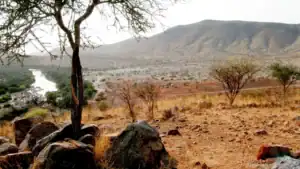
Sperrgebiet National Park, officially known as Tsau //Khaeb National Park, is a vast and enigmatic landscape in southwestern Namibia. Covering approximately 26,000 square kilometres, this area was historically off-limits due to diamond mining activities, preserving its unique ecosystems and historical sites.
A Brief History of Sperrgebiet
Established as a restricted diamond mining area in 1908 during German colonial rule, the Sperrgebiet (meaning “forbidden territory”) remained inaccessible to the public for nearly a century. This seclusion allowed its diverse flora and fauna to thrive undisturbed. In 2008, the Namibian government proclaimed it a national park, aiming to balance conservation efforts with controlled tourism.
The First World War ended all individual mining activities; South Africa soon defeated Germany on South West African terrain and took over the Sperrgebiet. The mining company De Beers became the new owner of the mines; it took control of the area until the 1990s. The Namibian government bought a fifty percent share, forming a joint partnership called the Namdeb Diamond Corporation.
The Sperrgebiet is also home to Africa’s most important shipwreck discovery. The Bom Jesus shipwreck, a Portuguese ship that sank near Oranjemund in 1533, is considered one of the most famous shipwrecks discovered in the Sperrgebiet. The vessel’s remains, including 2,000 gold coins, ivory, and other artifacts, were discovered in 2008 during diamond mining operations. The Bom Jesus is also the oldest shipwreck found in sub-Saharan Africa and one of the most valuable.

Bogenfels Rock Arch
One of the park’s most iconic landmarks is the Bogenfels Rock Arch, (Bogenfels means ‘arch rock’ in German) a 55-meter-high natural limestone arch found about 100 kilometres south of Lüderitz. This geological marvel, sculpted by millions of years of mainly wave erosion, offers breathtaking views of the Atlantic Ocean and the surrounding desert. It is predicted that it will eventually succumb to wave erosion and collapse into the ocean. Access to Bogenfels is restricted; visitors must join guided tours authorized by the Ministry of Environment and Tourism, ensuring both safety and conservation.
Pomona Ghost Town
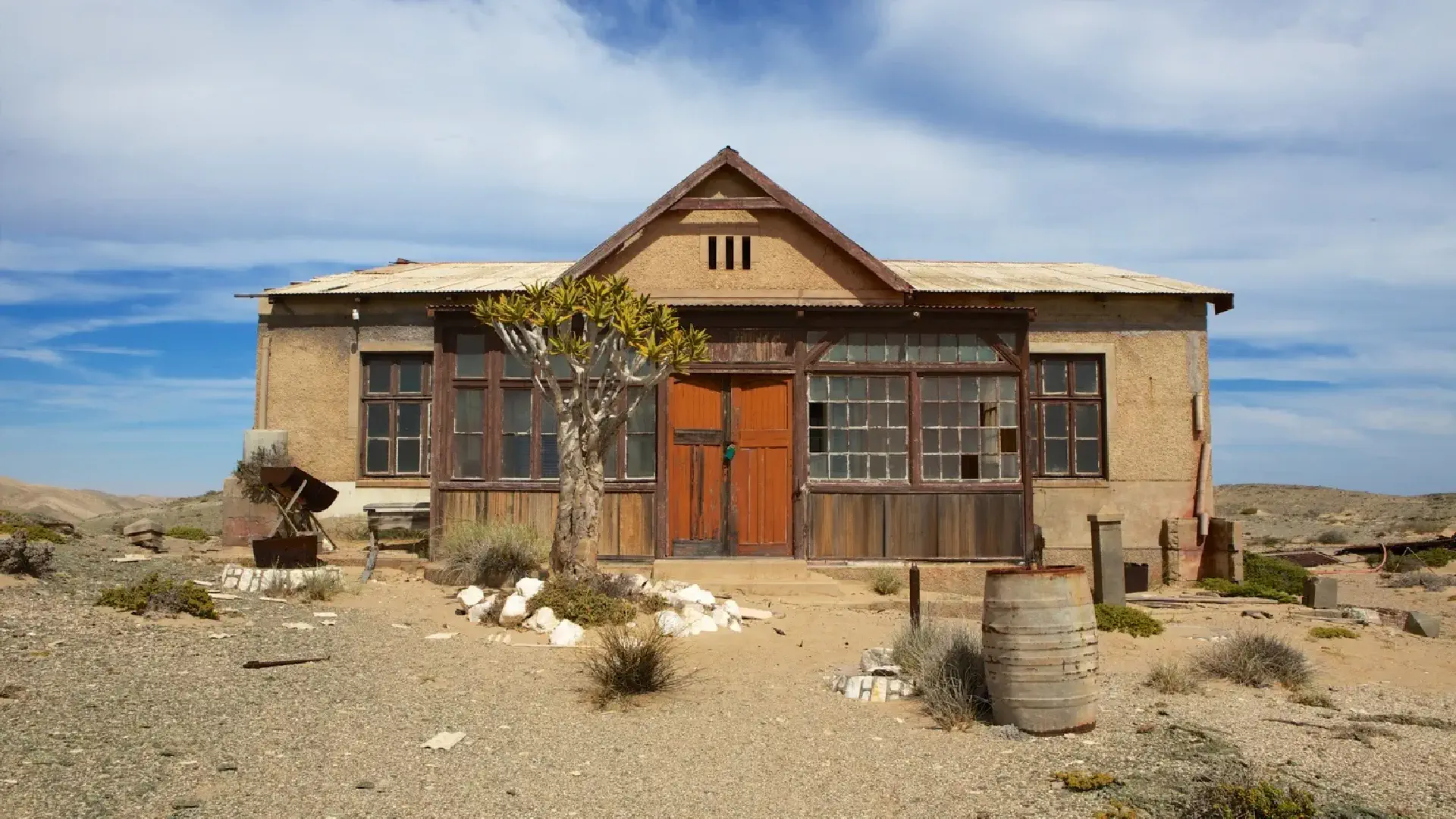
Another captivating site within the park is the Pomona Ghost Town, once a bustling diamond mining settlement in the early 20th century. At its peak, Pomona produced over four million carats of diamonds. Pomona was known for its rich diamond deposits, with diamonds often found on the surface. A private narrow-gauge electrified railway was set up to serve the diamond mining industry. It ran 119 kilometres between Kolmanskop and Bogenfels via Pomona. It was powered by a 1.5 megawatts (2,000 hp) power station in Lüderitz and was completed in 1913 but destroyed in World War I in 1915 by South African troops. The town was deserted after the diamond industry declined. Today, the town stands abandoned, with decaying buildings and rusting machinery slowly being reclaimed by the desert sands. Guided tours offer a glimpse into the town’s rich history and the diamond rush era that shaped the region.
Another ghost town that is located within the Sperrgebiet National Park is Kolmanskop Ghost Town. Kolmanskop is located just outside of the town of Luderitz and is more accessible than Pomona. Guided tours of Kolmanskop are available 7 days a week.
Biodiversity and Natural Wonders
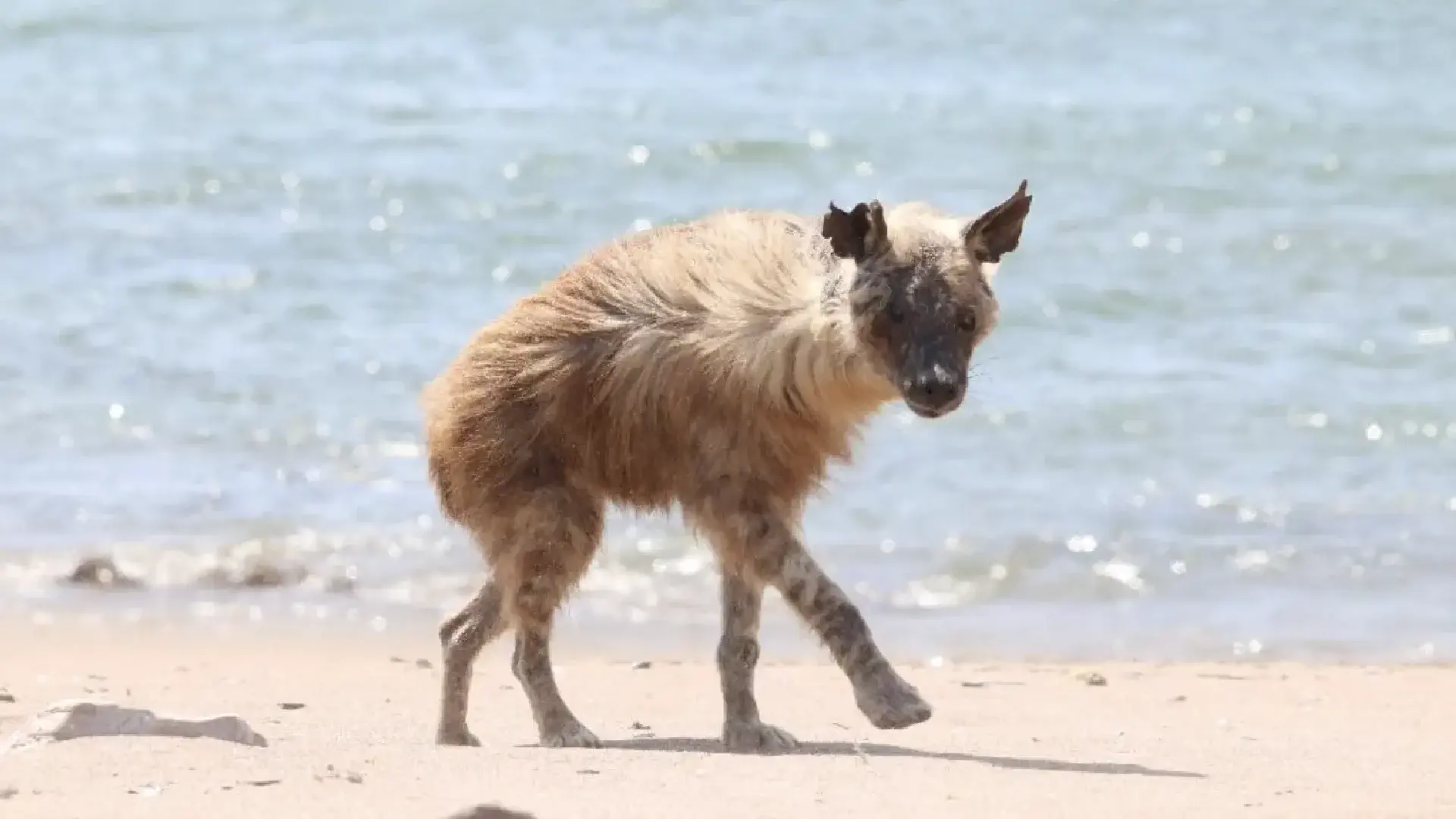
Despite its arid appearance, Sperrgebiet National Park is a biodiversity hotspot. It is considered to be the most biodiverse region in Namibia. It forms part of the Succulent Karoo biome, renowned for its rich variety of succulent plants, many of which are endemic. There are about 1050 species of plant that are found in the park. The park’s diverse habitats support a range of wildlife, including gemsbok, springbok, Brown hyena, aardwolf and various bird species. 35 coastal bird species, 120 terrestrial bird species and 60 wetland bird species can be found in the National Park.
The park is home to unique geological features like the Roter Kamm (meaning Red Ridge) impact crater and fossil sites, offering insights into Earth’s ancient history. The Roter Kamm crater is 2.5 kilometres (1.6 mi) in diameter and is 130 metres (430 ft) deep. It is estimated to be about 4.81 million years old. Aus Desert Tours located in the town of Aus offer day tours to view the Roter Kamm impact crater. For tourists that want to explore this area over a few days, longer Sperrgebiet tours can be organised.
Visiting the Park
Access to Sperrgebiet National Park is strictly regulated to protect its sensitive environments. Visitors must obtain permits and join guided tours, typically organized from Lüderitz. These tours provide not only access but also valuable information about the park’s ecology, history, and conservation efforts. It’s essential to plan visits well in advance, as permits and tour slots can be limited. If you intend to travel to Luderitz then a boat cruise to Halifax Island is suggested. Not only are these boat tours family friendly but they give one a chance to see African Penguins in their natural environment.
Conclusion
Sperrgebiet National Park offers a unique blend of natural beauty, historical intrigue, and ecological significance. Its restricted access has preserved a landscape where nature and history intertwine, providing visitors with an unparalleled experience of Namibia’s hidden treasures. For those seeking adventure off the beaten path, a journey into the heart of Sperrgebiet promises memories that will last a lifetime.