Kaokoland has more dedicated accommodation than the current “Where to Stay” copy on the Kaokoland travel guide suggests. Options range from gateway lodges near the Damaraland border to remote fly-in camps deep in the region, with camping available along the way.
Gateway Lodges Near Damaraland
Most self-drive travellers base themselves at one of these properties before heading further into Kaokoland.
Khowarib Lodge & Safaris sits in the Khowarib Gorge on the Damaraland side of the border, with en-suite tented rooms, self-catering units and a campsite, making it a practical first or last stop for a Kaokoland trip.
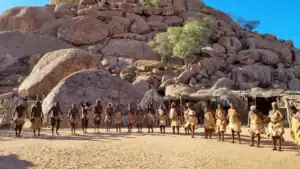
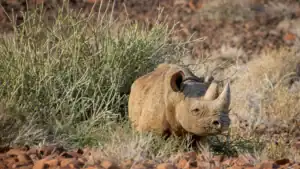
Sesfontein Guesthouse sits in the heart of Sesfontein village, with 10 en-suite rooms and a restaurant serving local produce, and can arrange visits to Himba villages communities and drives along the Hoanib River in search of desert-adapted elephant.
Kaoko Mopane Lodge, near Opuwo, offers en-suite chalets and camping among mopane trees, working well as a stop before or after exploring further north.
Deep Kaokoland: Fly-In and 4×4 Camps
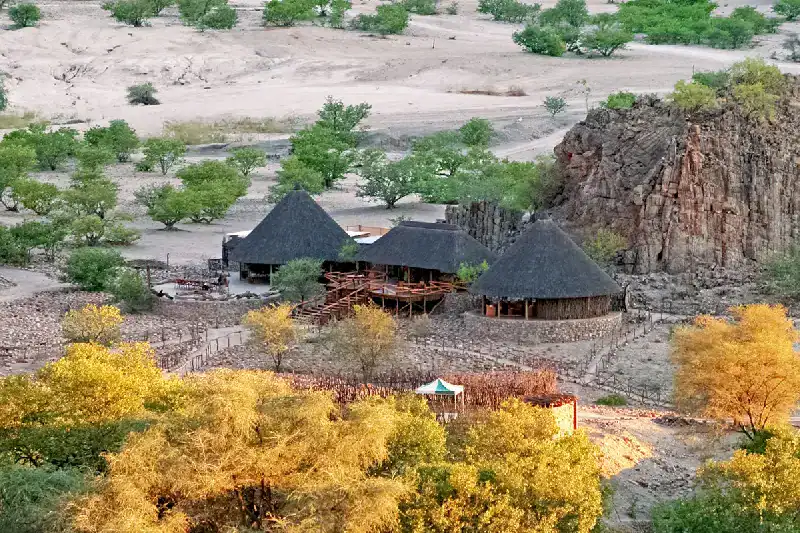
Forgotten Valley Ekoto Camp sits deep in the Orupupa Conservancy in Kaokoland’s Kunene Region, reached by 4×4 only, with a small number of self-catering chalets and activities built around Himba community visits and scenic drives.
Serra Cafema, on the Kunene River at the Angolan border, is reached by light aircraft and offers luxury en-suite chalets, river cruises and Himba village visits, among Namibia’s most exclusive camps.
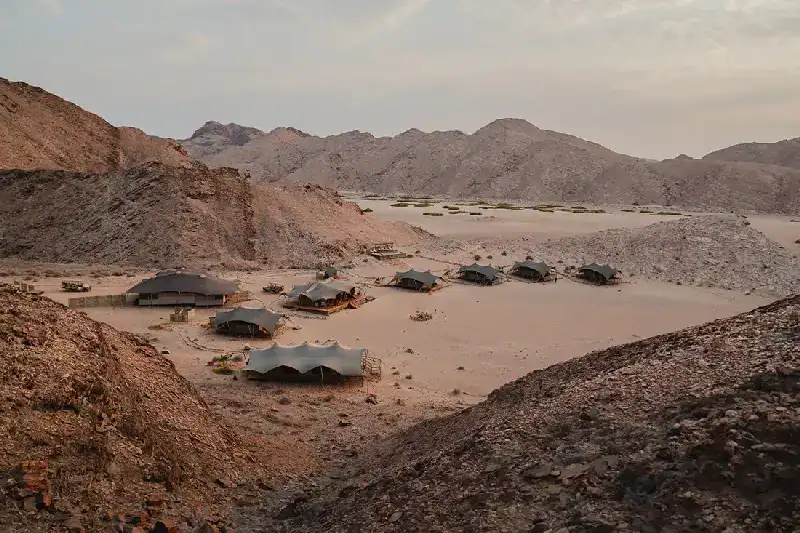
Hoanib Valley Camp, also fly-in, sits in the Hoanib River valley and is known for desert-adapted elephant and lion sightings from its luxury tented units.
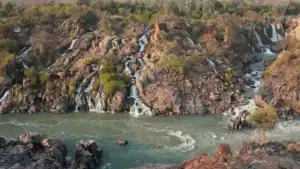
Epupa Falls Lodge sits perched above the Kunene River at Epupa Falls, near the Angolan border, offering en-suite chalets shaded by ancient baobabs. Activities centre on guided walks to the waterfall itself and visits to nearby Himba villages.
Camping in Kaokoland
Ongongo Waterfall Campsite, near Sesfontein, offers simple pitches with ablutions beside the Ongongo waterfall and its natural rock pools, a popular stop for self-drive travellers heading north.
Getting There and Choosing How to Stay
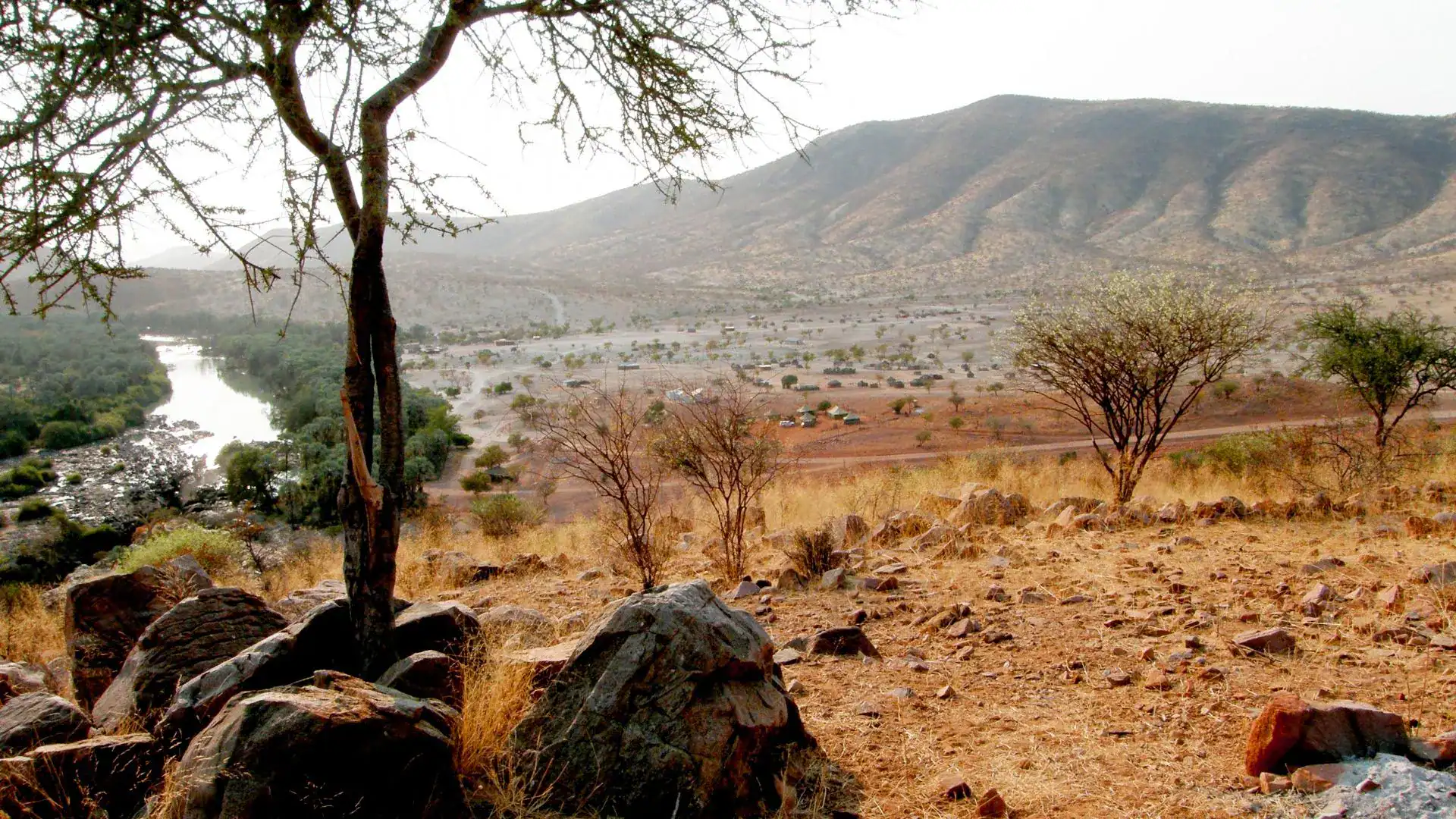
Roads beyond the main gravel route to Opuwo are mostly sand, gravel or riverbed tracks, and a 4×4 with high clearance is required. Some routes, including the drive into the Marienfluss, are demanding enough that many travellers reach the more remote camps by fly-in safari instead. See our Kaokoland travel guide for the wider region and Himba cultural experiences for visiting respectfully.