The Petrified Forest in Namibia is located just west of Khorixas in Damaraland. Here pieces of ancient tree trunks — turned to stone over millions of years — lie scattered across a flat open plain. The story of how they came to be here is remarkable.
What is the Petrified Forest?
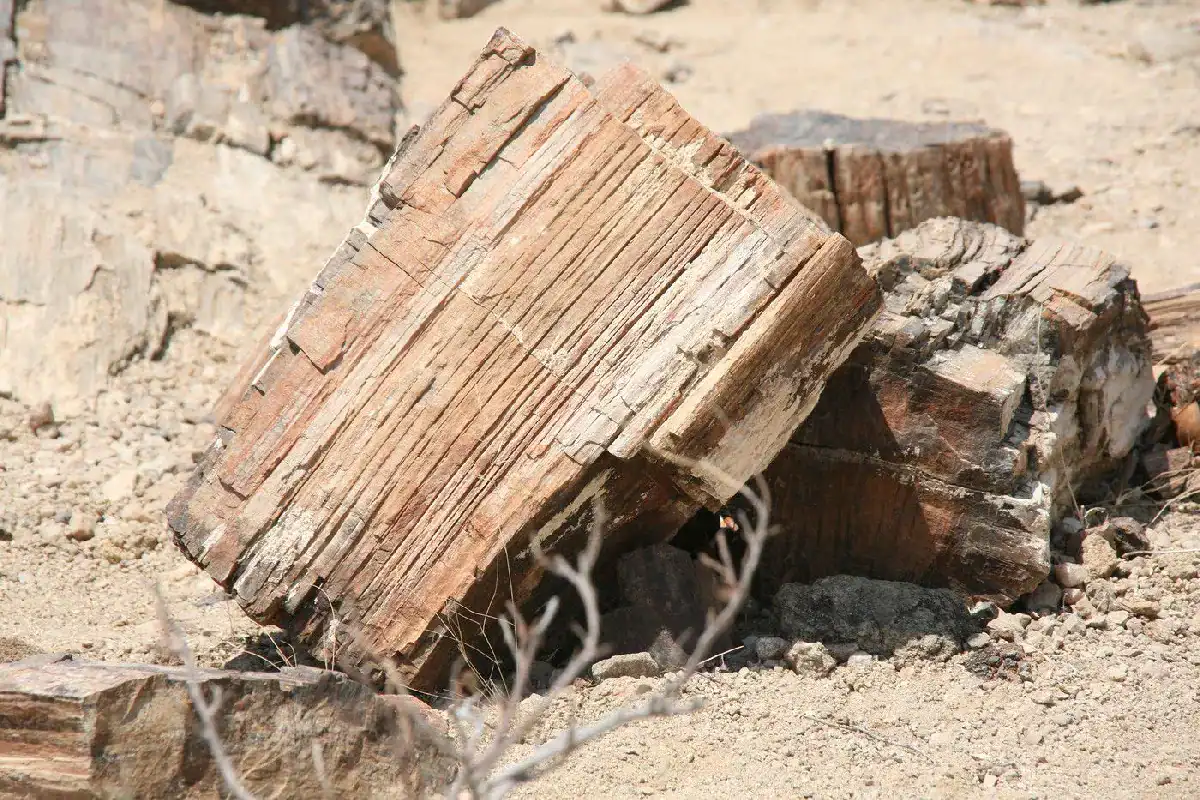
The Petrified Forest in Damaraland is a national monument and one of Namibia’s most unusual geological sites. The site is an open landscape where the fossilised remains of ancient trees approximately 260 million years old lie spread across the ground. The site was first discovered by two farmers in the 1940s and declared a national monument on 1 March 1950.
These ancient stone trees do not form a standing forest — the name is misleading. What visitors find are pieces of fossilised tree trunks strewn across the site. There are no more than two fully intact trunks, each approximately 45 metres long.
How Did the Trees Get Here? The Gondwana Flood Story
The trees found at Namibia’s Petrified Forest did not grow here. At the end of a major Ice Age, massive floods swept across the ancient supercontinent of Gondwana. The tree trunks were carried thousands of kilometres to where they lie today. They belong to the Cordaites family — ancient relatives of today’s firs and spruces. Buried under deep layers of sand and mud and deprived of oxygen, the wood could not decay. Instead, mineral-rich groundwater slowly replaced each cell of the original wood with silica — turning wood to stone.
What Will You See?
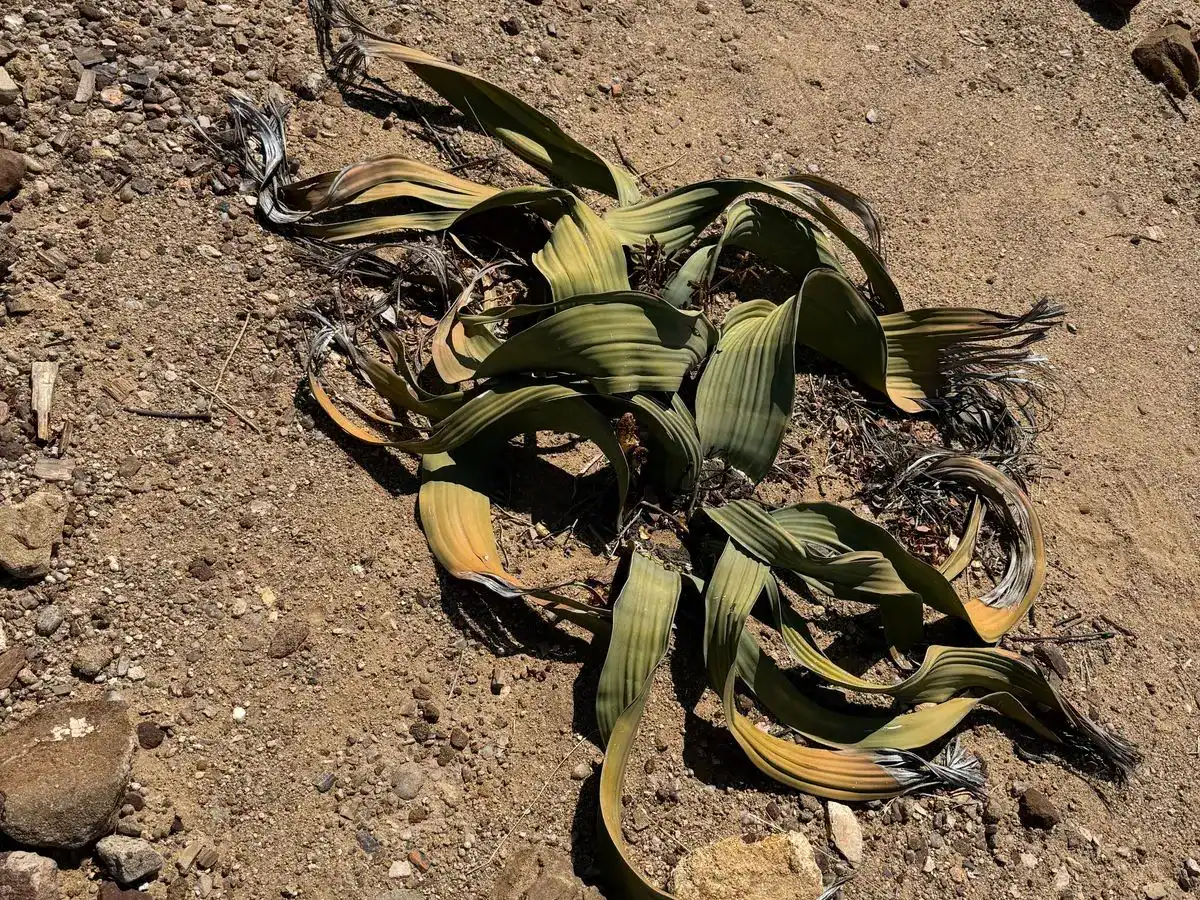
The guided Petrified Forest walk near Khorixas covers approximately 800 metres and takes around 30 to 40 minutes. While the petrified pieces of trunks are the main attraction, many visitors find the Welwitschia mirabilis plants equally — if not more — fascinating. These extraordinary desert plants are endemic to the Namib and consist of nothing more than a root, a small stem and two leaves. Some specimens are over 1,500 years old. A male and female Welwitschia pair at the site has been nicknamed the “Namibian Romeo and Juliet.” The site also has shaded parking, clean toilets and a small shop.
Is the Petrified Forest Worth Visiting?
That depends on your expectations. Visiting the site with the image of a dramatic ancient forest in mind will likely disappoint. What the site offers instead is something more subtle. Visitors can stand next to tree trunks that are 260 million years old and hear the remarkable story of how they arrived here. The chance to see the ancient Welwitschia plants up close adds to the experience. If you are already travelling the C39 between Khorixas and Twyfelfontein, it is worth the stop. If it requires a significant detour, manage your expectations accordingly.

Practical Information
No advance booking is required. A guide is compulsory for all visits and will meet you on arrival after you pay the entrance fee. Fees are subject to change, so check current rates with the site or your tour operator before visiting. The site is open daily from 08:00 to 17:00. Early morning is the best time to visit, when the site is cooler and the light is better for photographs. The trail is exposed with no shade — bring water, a hat and sunscreen.